
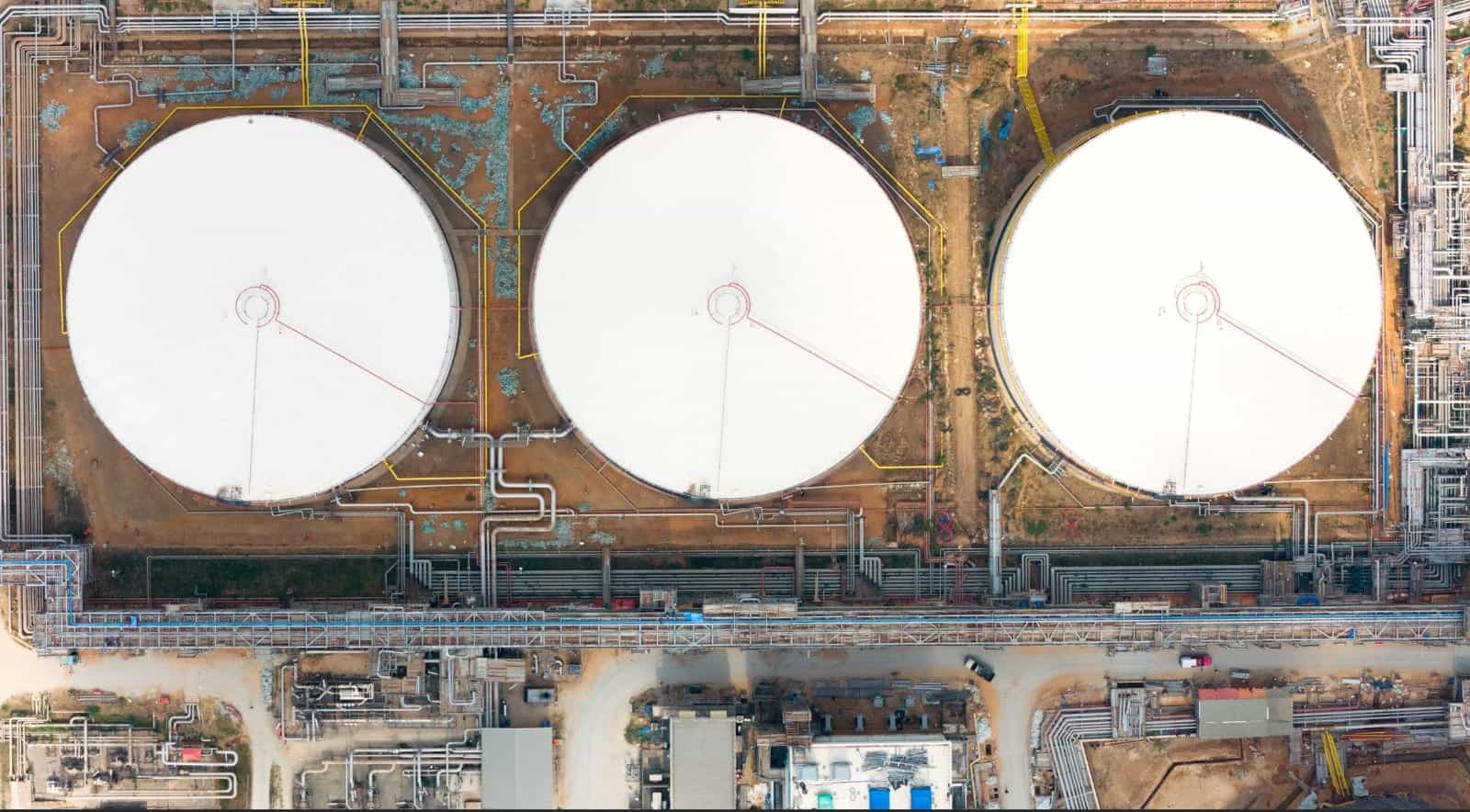
ESPT Provides Advanced Solutions for Silo Construction
Post-Tensioned Silos
ESPT specializes in the design and construction of post-tensioned concrete silos, offering enhanced structural integrity and durability for storing materials like grains, cement, and other bulk goods.
Prestressed Silos
Prestressed silos are specialized storage structures designed to handle materials like grains, cement, or other bulk goods. They use prestressed concrete, which involves applying tension to steel tendons within the concrete to counteract stresses from external loads. This technique enhances durability, reduces cracking, and allows the silo to withstand high pressures and environmental conditions.
Prestressed silos are commonly used in industries like agriculture, construction, and manufacturing. They are particularly effective for storing materials that exert significant pressure on the walls, such as liquids or fine powders.
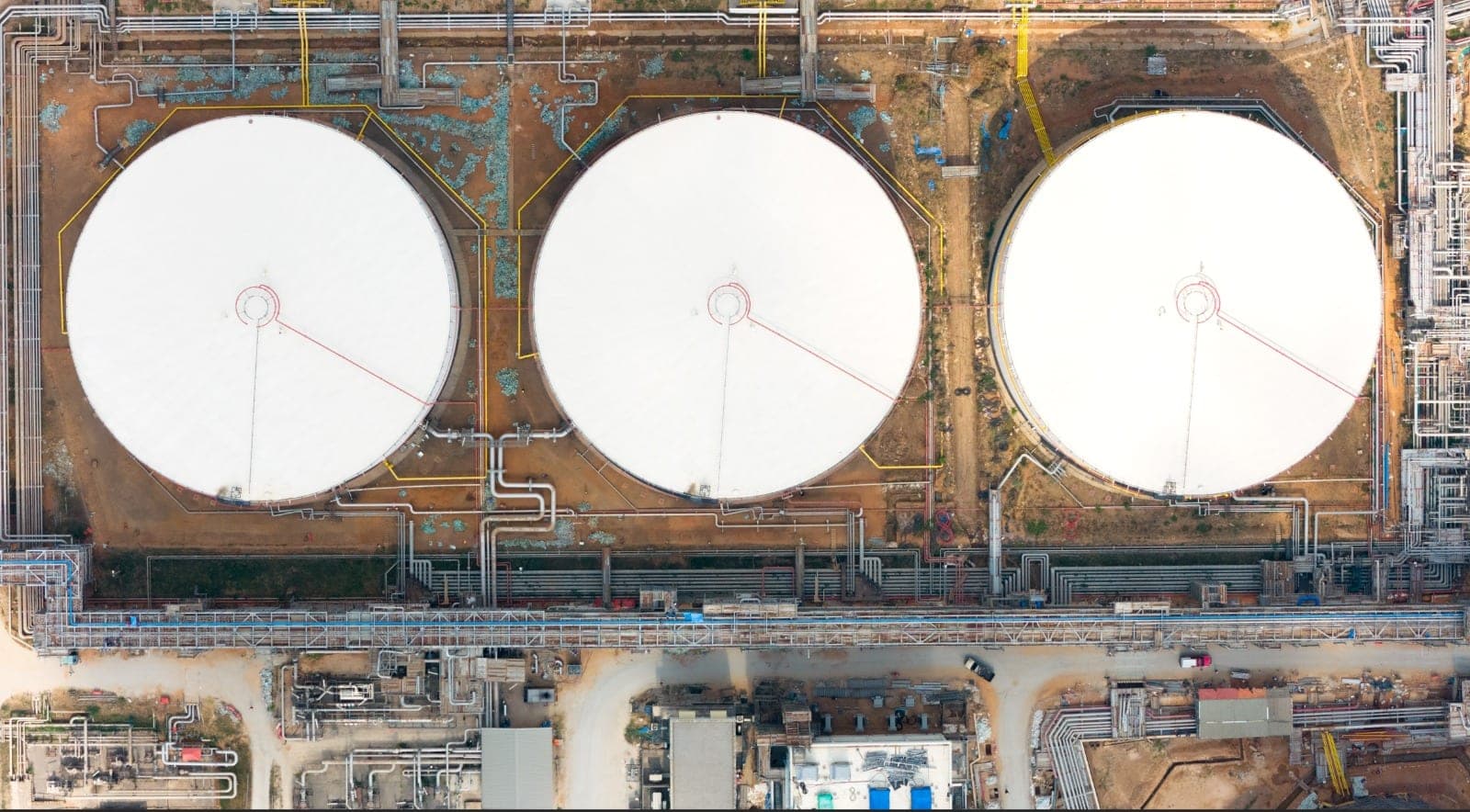
Post-Tension Silos
Post-tension silos are a type of reinforced concrete silo that uses post-tensioning techniques to enhance structural integrity and durability. Post-tensioning involves placing steel tendons within the concrete and applying tension after the concrete has set. This method helps counteract the stresses caused by the stored material's weight and lateral pressure.
The use of post-tensioning allows for thinner silo walls, reducing the amount of concrete required and making the construction more economical.
Construction Process
- 01Design PhaseEngineers calculate the lateral pressures exerted by the stored materials and design the silo accordingly. This includes considering dynamic pressures caused by seismic activity or uneven loading/unloading.
- 02Installation of TendonsSteel tendons are placed within the concrete structure during construction. These tendons are housed in ducts to allow for tensioning after the concrete has set.
- 03Post-TensioningOnce the concrete has cured, tension is applied to the steel tendons. This process compresses the concrete, counteracting tensile stresses and preventing cracks.
- 04Final AdjustmentsEngineers perform static evaluations to ensure stability, strength, and crack prevention. This step is crucial for long-term durability.
Advantages
- 01Crack PreventionPost-tensioning minimizes cracking, ensuring impermeability and protecting stored materials from moisture.
- 02Cost EfficiencyThinner walls reduce material usage, making the construction more economical.
- 03DurabilityThe structure can withstand dynamic pressures and seismic activity, extending its lifespan.
Multi-strand Post-Tension Anchorages
- 01DesignMulti-strand systems consist of a bundle of steel strands, typically with diameters of 0.5" (12.7 mm) or 0.6" (15.2 mm). These strands are housed in a corrugated galvanized metal duct, which provides protection and allows for tensioning.
- 02Anchor Head UnitThe strands are individually gripped in an anchor head unit, which transmits the prestressing force to the concrete. The anchor head is paired with a casting unit and spiral reinforcement to handle the stresses at the anchorage zone.
- 03Tensioning ProcessThe strands are stressed simultaneously using a multi-strand stressing jack, which applies the required force uniformly. After tensioning, the strands are locked in place using wedges in the anchor head.
- 04Applications in SilosMulti-strand anchorages are used in silos to counteract the lateral pressures exerted by stored materials like cement, grains, or coal. They enhance the silo's ability to withstand dynamic loads, seismic activity, and environmental stresses.
Anchorages Testing Methods
- 01Load TestingAnchorages are subjected to controlled loads to verify their ability to handle the forces they were designed for. This includes testing the anchor head, wedges, and bearing plates under simulated conditions.
- 02Grouting TestsGrouting is tested to ensure proper filling of ducts and adequate bonding between tendons and concrete. Pressure tests are conducted to check for leaks or voids in the grout.
- 03Component Assembly TestsIndividual components like ducts, grout caps, and couplers are tested for durability and compatibility. These tests ensure that the assembly can withstand environmental stresses and dynamic loads.
- 04Corrosion ResistanceAnchorages are tested for their ability to resist corrosion, especially in silos storing materials that may create a humid or chemically aggressive environment.
- 05Static and Dynamic EvaluationsStatic tests assess the anchorages' performance under constant loads, while dynamic tests simulate fluctuating pressures caused by loading and unloading of materials.
Discuss your project with ESPT
Send drawings or a BOQ. Your enquiry goes to the office in your country.